Our Process · Evidence Before Assumptions
We do not start with demolition. We start with the incident.
Every loss is different. SDM uses a repeatable decision framework—observe, screen, verify, expose when justified, protect, mitigate, monitor and document—then adapts that framework to the building and conditions actually found.
We do not manage a loss by appearance alone.
Visible damage is only part of the picture. Decisions may draw from direct observations, thermal screening, comparative material measurements, exposed-assembly confirmation and monitored drying conditions.
Understand the incident
Start with source, timing, occupancy, visible conditions, affected materials and immediate hazards. The loss is the primary object—not the equipment.
Screen beyond what is obvious
Visual observations may be supplemented with thermal screening and other non-destructive methods to identify areas that warrant closer investigation.
Verify with measurements
Comparative readings and direct material measurements help test what screening suggests. One reading is a data point, not the entire conclusion.
Expose only when the question justifies it
Selective access may be needed to reach concealed materials, remove material that cannot reasonably remain, or understand an assembly that cannot be evaluated from the finished surface.
Inspect the assembly
Once opened, framing, insulation, cavities, penetrations and adjoining materials can be evaluated more directly. Opening the wall is not the end of the investigation.
Protect unaffected areas
Temporary barriers, protected pathways, surface protection and controlled work zones can reduce unnecessary disruption while mitigation continues.
Establish a drying or cleaning system
Equipment selection and placement should follow the conditions found. Air movement, dehumidification, filtration or cleaning methods are tools inside a plan—not the plan itself.
Monitor and reassess
Environmental conditions, equipment performance and material readings are checked over time. Progress is measured rather than assumed.
Preserve the recovery record
Photographs, observations, readings, affected areas, work performed and significant decisions create a clearer record for the property owner and the next phase of recovery.
The method in the field
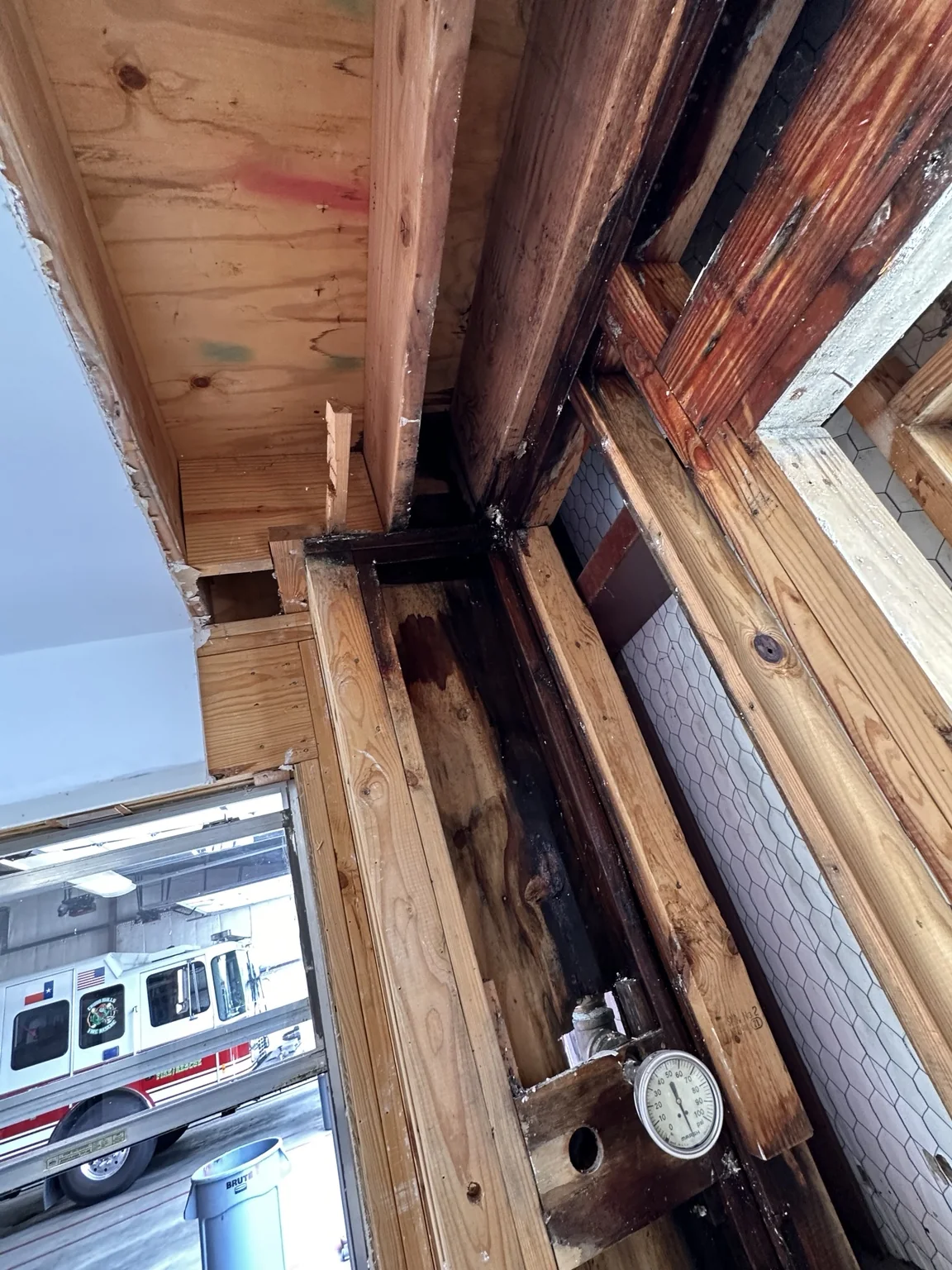
Selective demolition should answer a question.
Once the assembly is exposed, the investigation continues.
At this fire-station project, SDM documented screening, material readings, selective access, exposed framing, protected work areas, drying equipment, psychrometric conditions and equipment performance. The station remained operational throughout mitigation, and its service area was not impacted by SDM's mitigation work. The case is published with explicit limits separating confirmed project facts from what individual photographs and instrument displays establish.
See the process, not a stock-photo version of it.
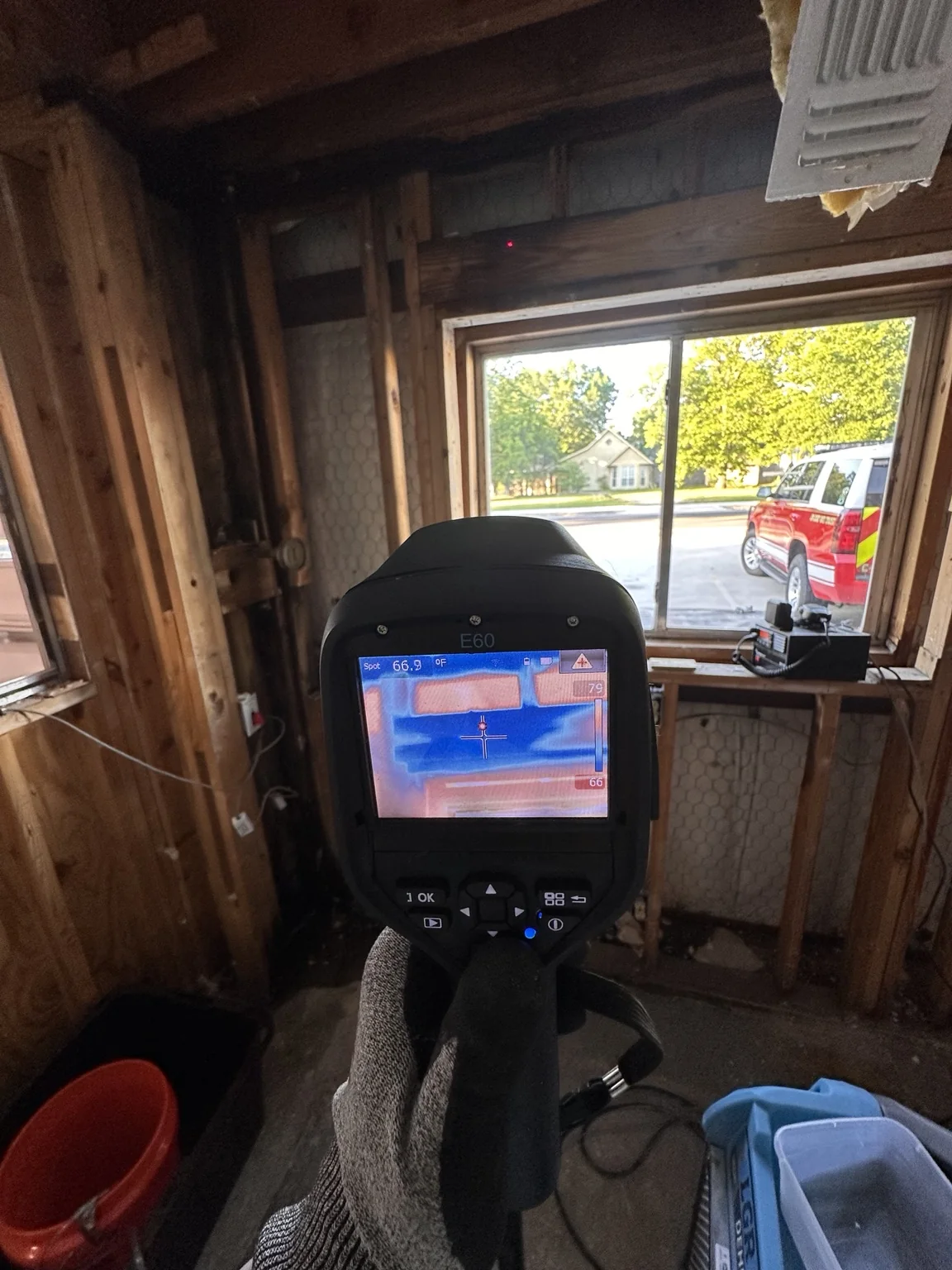
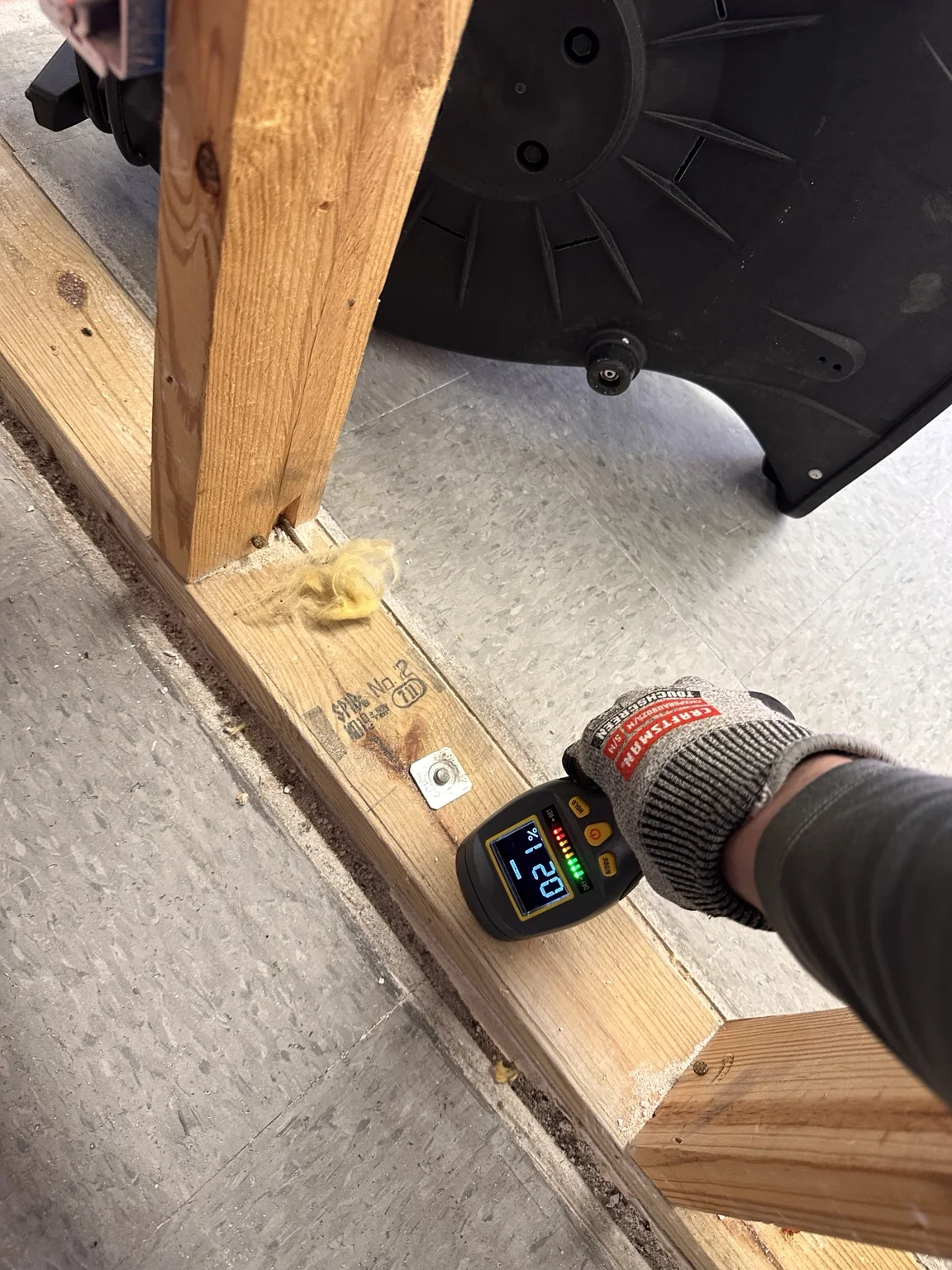
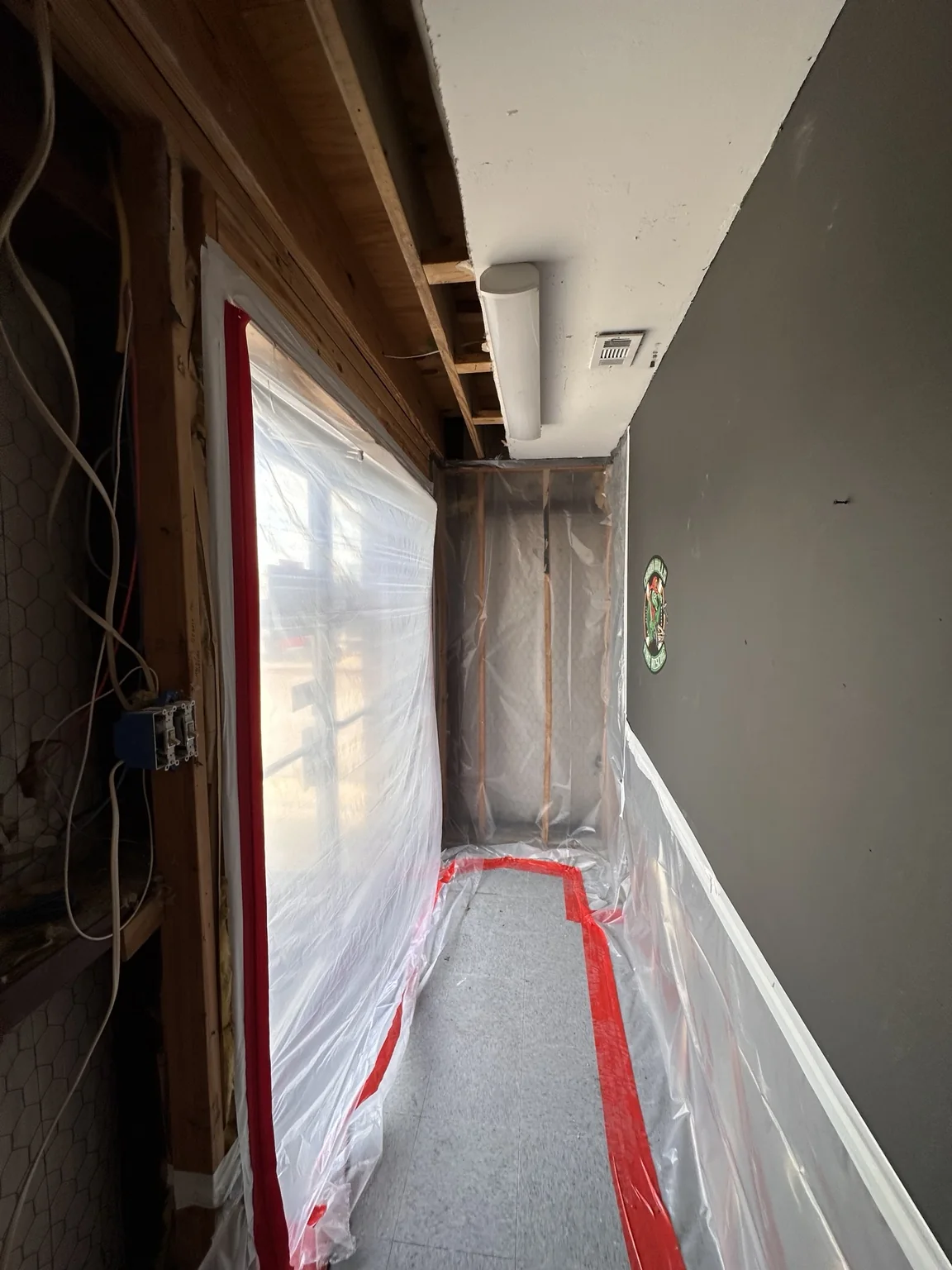
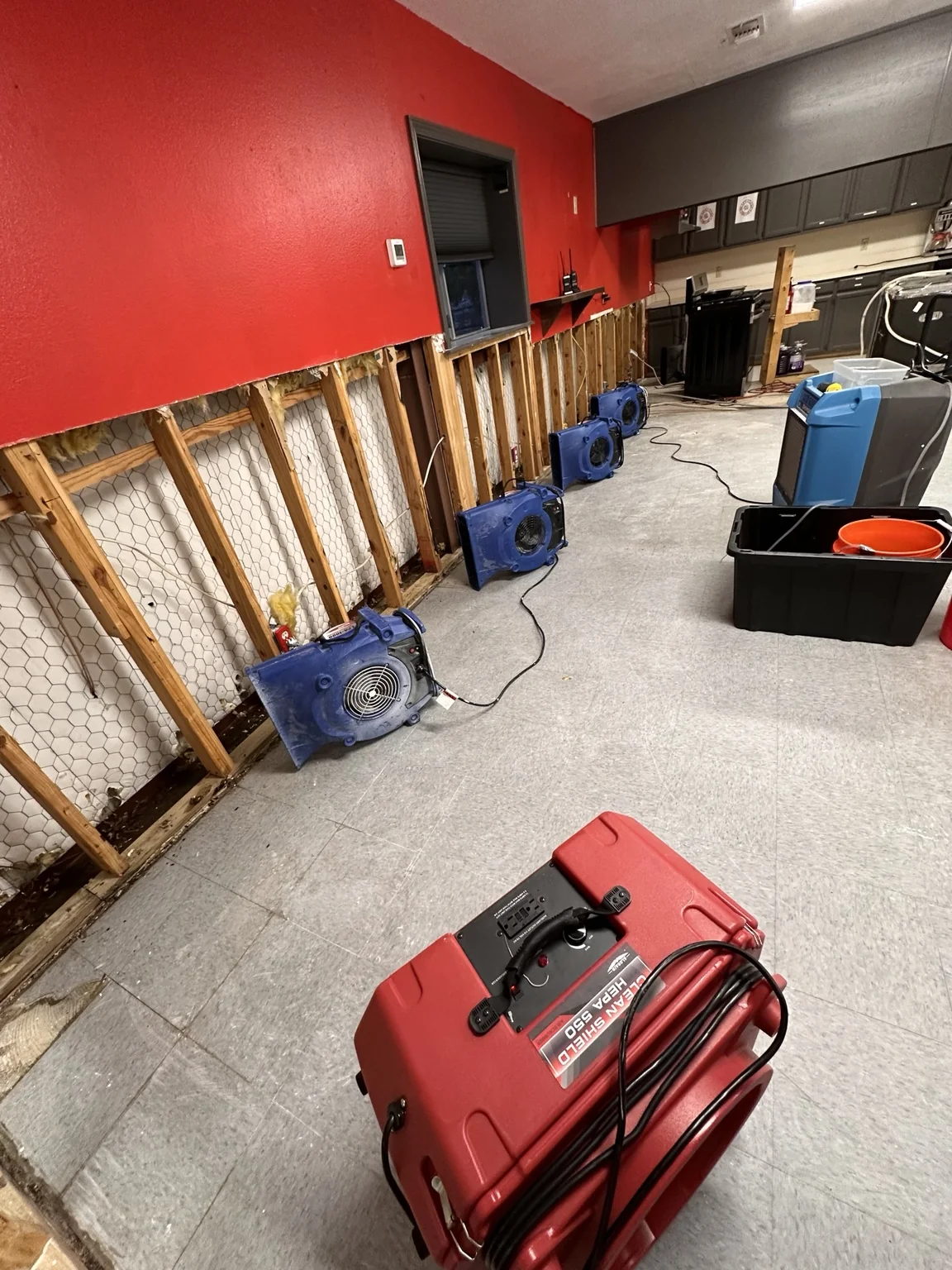
Thermal patterns are not labeled as moisture without corroborating evidence. Meter displays are preserved as location-specific instrument readings, not universal wet/dry thresholds.
The process tells you what we do.
Our Response Standards explain what we hold ourselves accountable to while doing it: safety-first evaluation, documented field conditions, monitored drying and transparent communication.
The record should survive the job.
SDM Intelligence can help organize incident facts, questions, field evidence and recovery documentation into a structured Recovery Record.
Why this matters
Trusted where reliability matters.
Homes. Businesses. Commercial facilities. And the people our communities depend on.
Trust is stronger when you can inspect the work behind the claim. That is why SDM publishes field evidence with source-first captions and uncertainty instead of relying on generic promises.