24/7 Emergency Mitigation · Dallas–Fort Worth
Something happened. Start with safety. Then get control of the incident.
Water, fire, smoke and odor losses can change quickly. Same Day Mitigation helps identify immediate priorities, document what is known, evaluate affected areas and begin practical mitigation based on the conditions actually found.
Before We Arrive
Do what is safe. Preserve what is useful.
A few careful actions can make the first evaluation clearer without putting anyone at additional risk.
Control only what you can reach safely
If a water source can be shut off without entering an electrically hazardous, structurally unsafe or contaminated area, stop the flow. Otherwise, leave it alone and tell us what you know.
Document before conditions change
From a safe location, photograph the source area, visible migration, affected rooms and damaged contents. Note when the incident was discovered and any changes you observed.
Protect people and unaffected property
Keep occupants away from unsafe areas. If it can be done without exposure or strain, move unaffected items away from active water, soot or necessary work paths.
Do not create a second problem
Do not enter standing water near energized equipment, walk beneath visibly sagging materials, or disturb fire and soot residues just to investigate further. When in doubt, wait for the appropriate responder.
Damage is not always limited to what you can see.
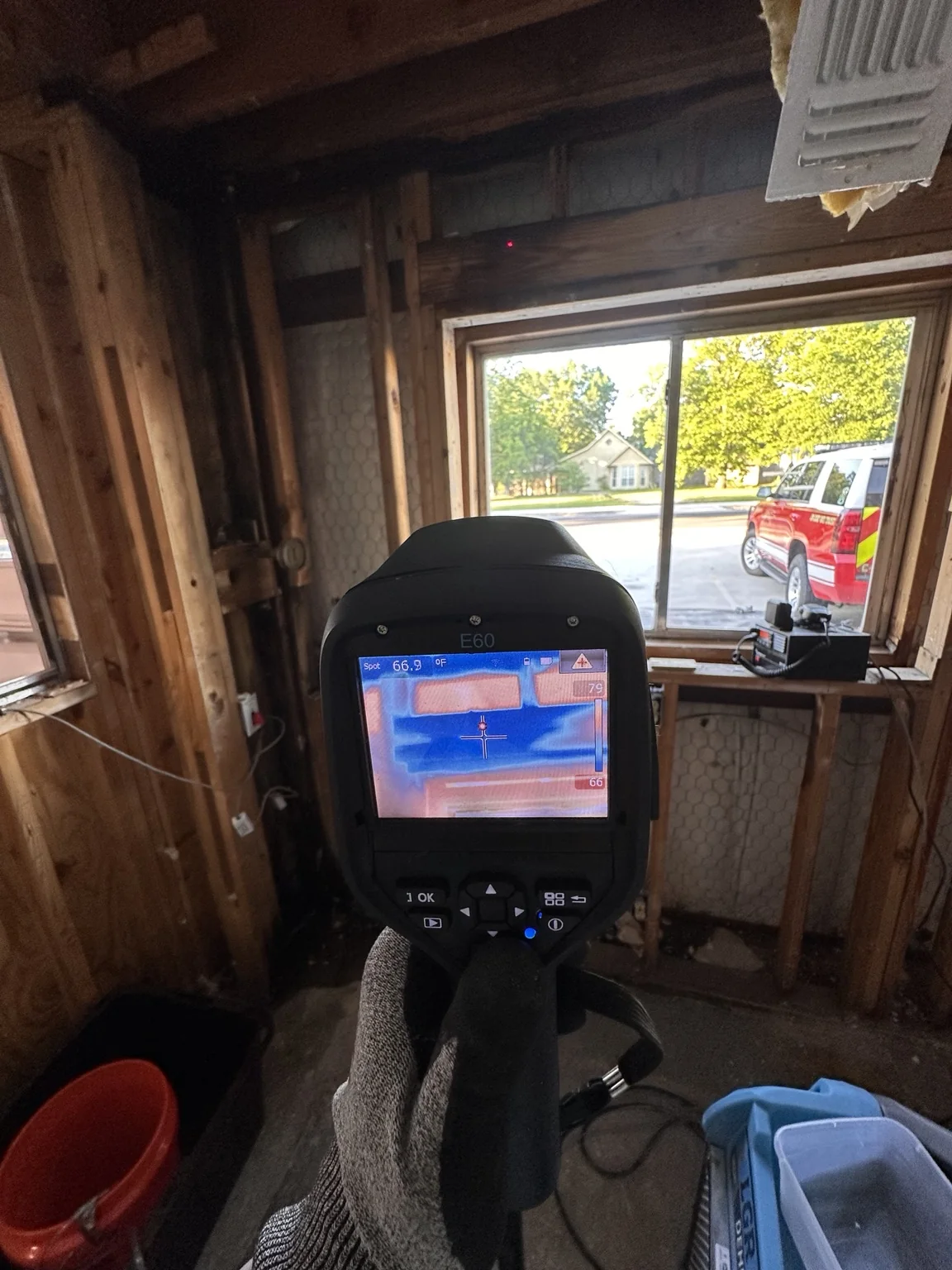
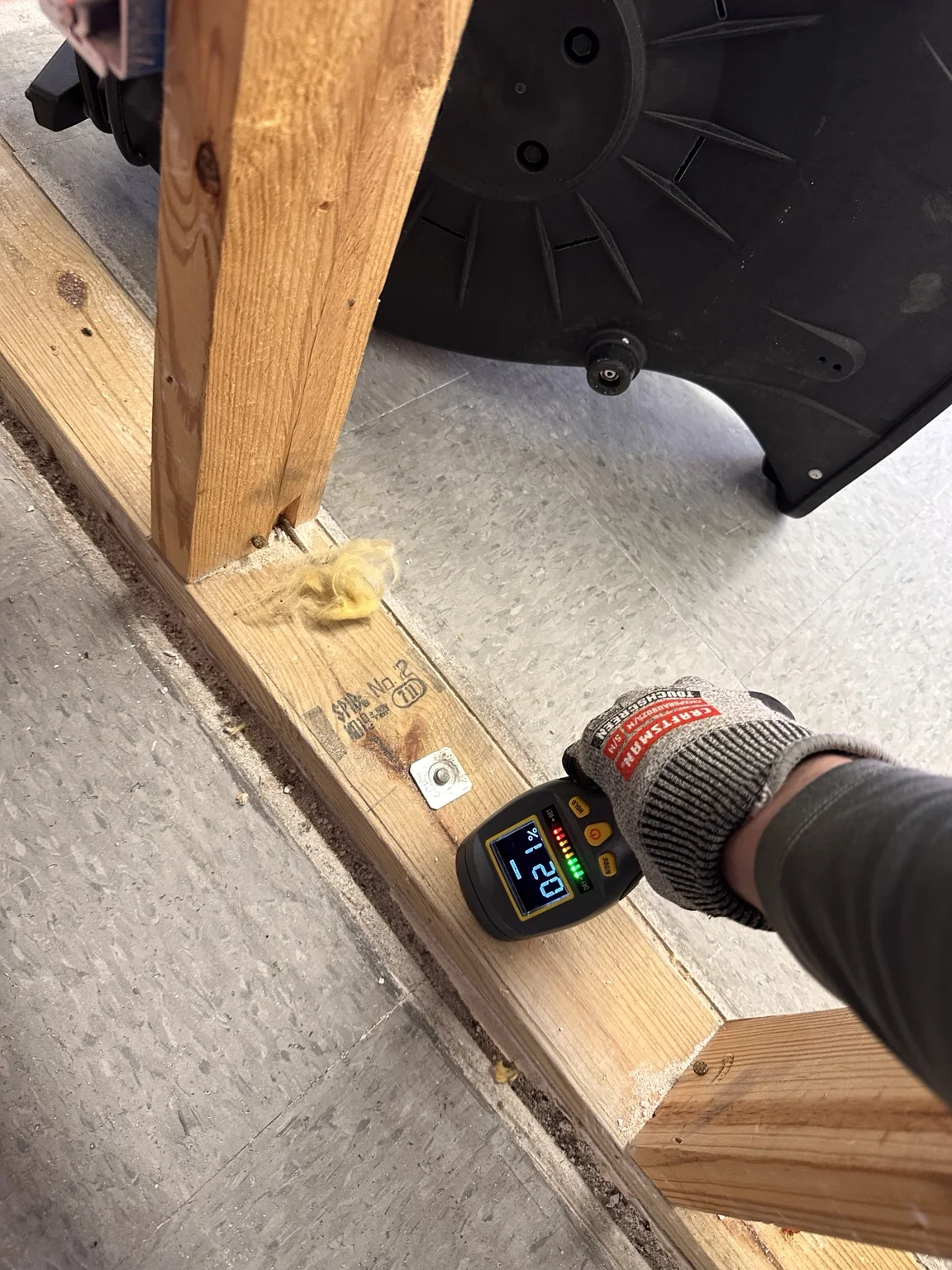
What looks localized may extend into adjoining materials or concealed assemblies. SDM may combine direct observation, thermal screening, comparative material readings and selective access to determine where additional investigation is warranted. Thermal imagery is treated as a temperature pattern—not as proof of moisture by itself.
Field-Proven Trust
Trusted where reliability matters.
Homes. Businesses. Commercial facilities. And the people our communities depend on.
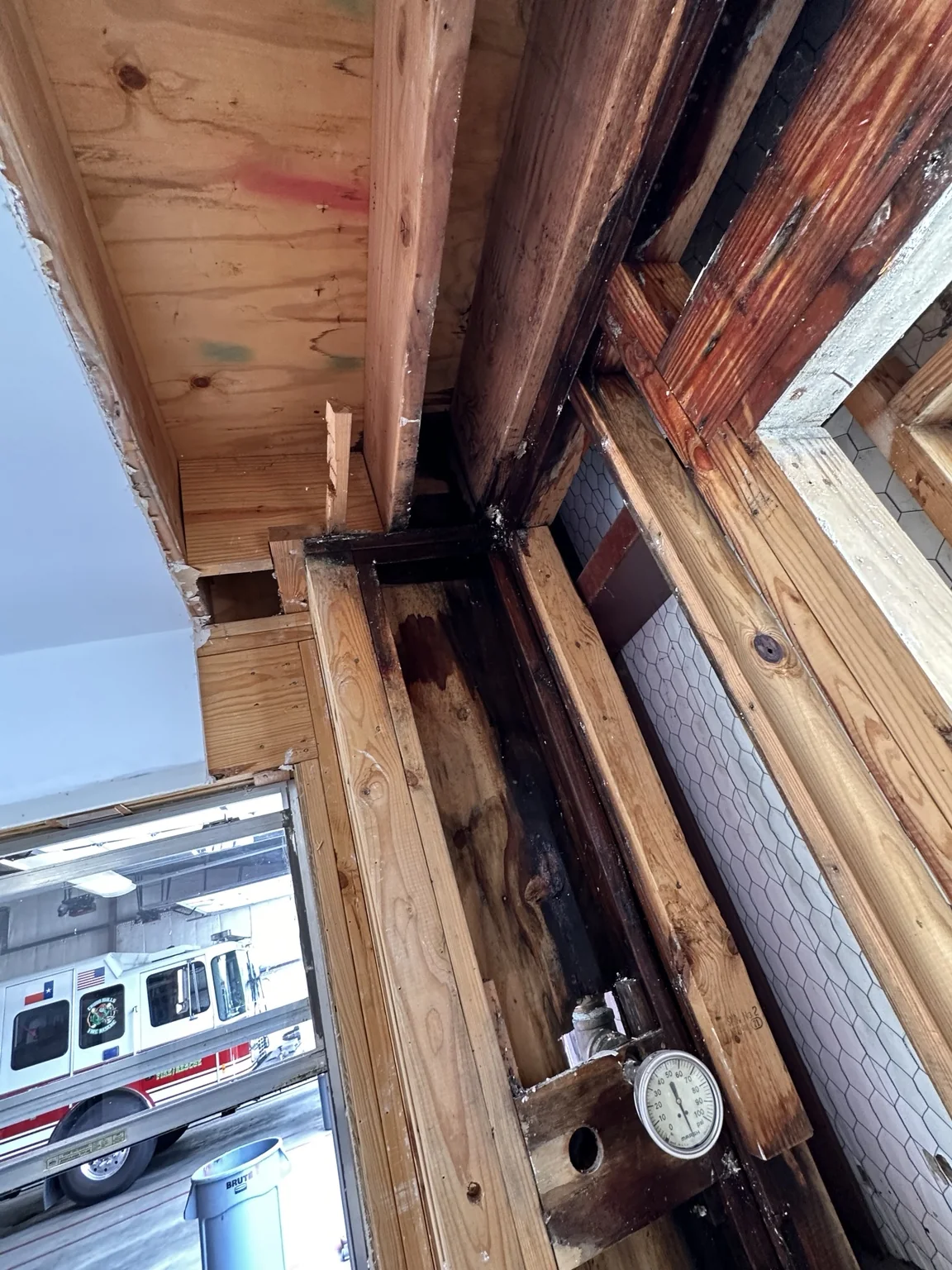
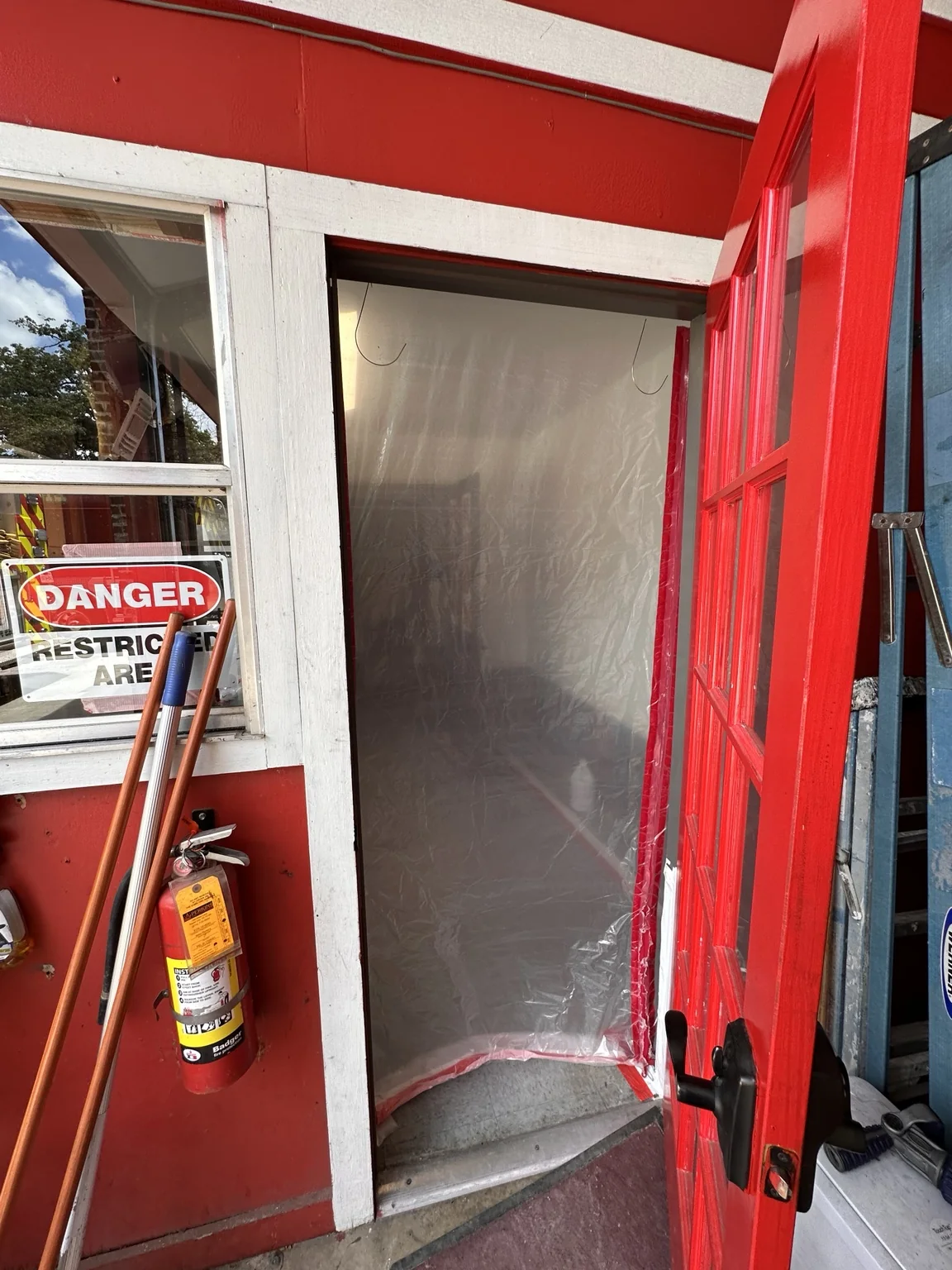
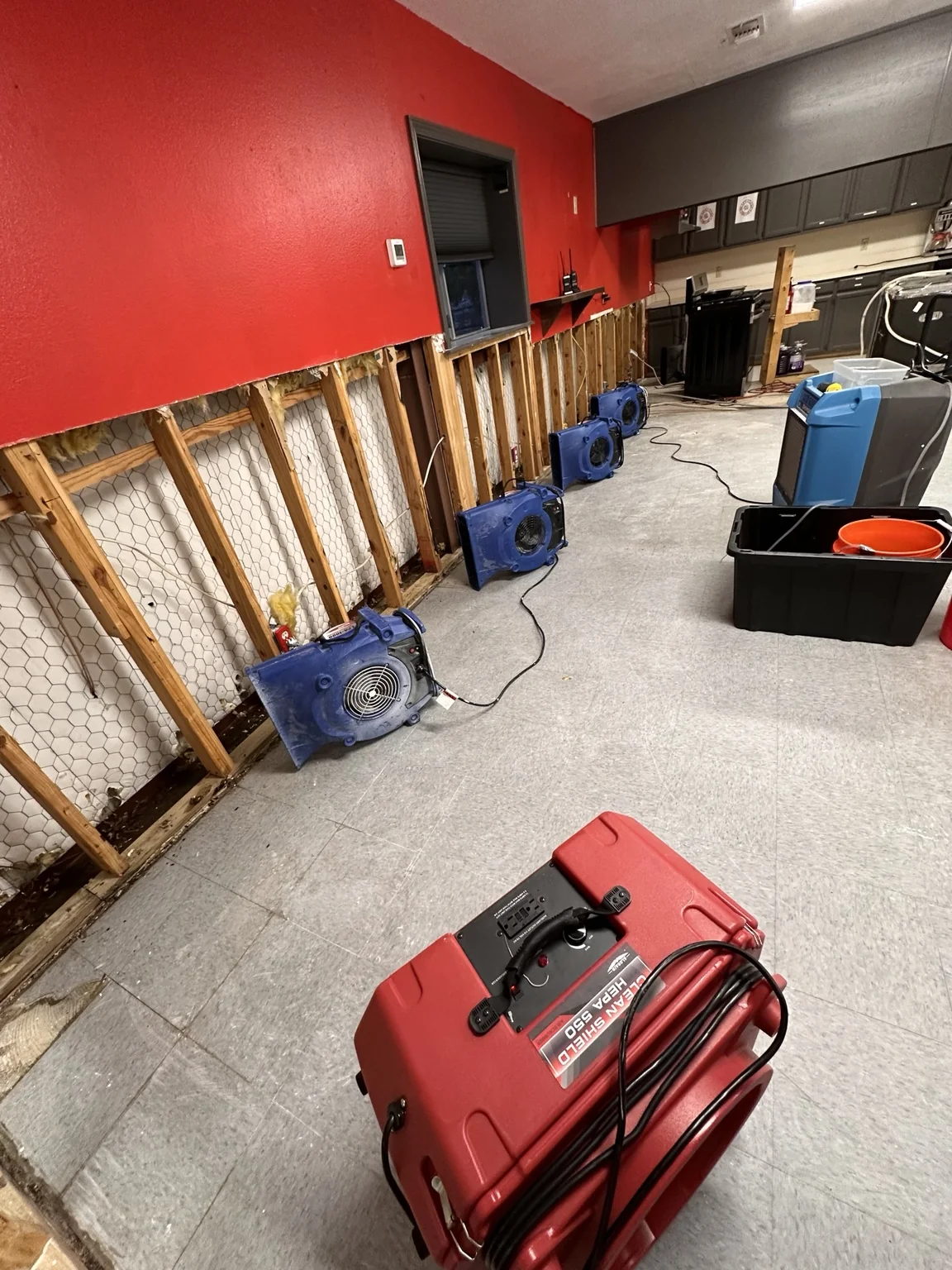
During SDM's documented municipal fire-station project, the station remained operational throughout mitigation and its service area was not impacted by the mitigation work. We publish that project as field evidence of continuity-focused execution—not as an implied endorsement by a fire department or public agency.
What happens after you call?
The first objective is not to create the biggest scope. It is to understand the incident well enough to make the next defensible decision: stabilize, extract, protect, investigate, dry, clean, document—or bring in another licensed professional when the condition requires it.
Not ready to call?
Use the Incident Builder to organize what happened, identify immediate questions and create a structured incident record.